
A thoughtfully curated collection of articles on innovative solutions, brought together to inspire and inform.
-
How New York's Boroughs Went Green – Earth Day

Discover how each NYC borough — from wind farms in Brooklyn to oyster reefs in Staten Island — is driving bold, local action for a greener future.
-
Rachel Carson’s Warning Still Echoes: 63 Years After Silent Spring – Earth Day

Honoring Rachel Carson and Silent Spring — the book that sparked Earth Day and the environmental movement. Her legacy reminds us: protect nature, protect ourselves.
-
Denver’s Food Forests Bear Fruit, for the City and Environment | Civil Eats
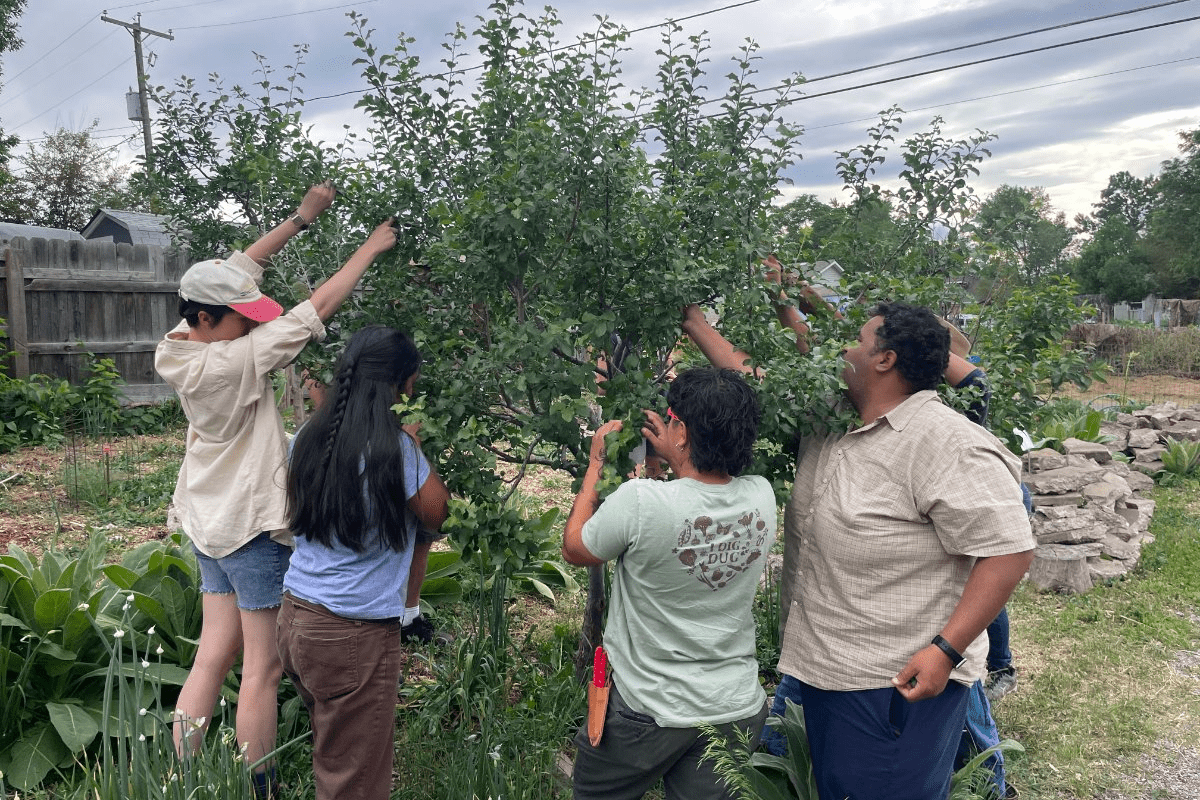
Despite federal roadblocks, an ambitious agroforestry program is feeding people, cleaning the air, and helping offset climate change.
-
Why Refrigerant Matters More Than You Think for AC (or Heat Pump) Efficiency – RMI

The refrigerant gas inside heating, ventilation, and air conditioning (HVAC) system — for air conditioners and heat pumps — plays a major role in how well it performs, impacting comfort, energy use, and the climate. Here’s why understanding refrigerants matters.
-
The Surprising Value of the Energy You Don’t Use – RMI

Whole-system design can improve energy efficiency by 5x and greatly lower costs, says Amory Lovins.
-
Finland races ahead in clean energy: coal phase-out arrives four years early | The Optimist Daily

Finland phases out coal power four years early thanks to wind energy growth and smart policy. A clean, affordable energy future is within reach.
-
Episode 12: Unwrapping Food's Plastic Problem – FoodPrint
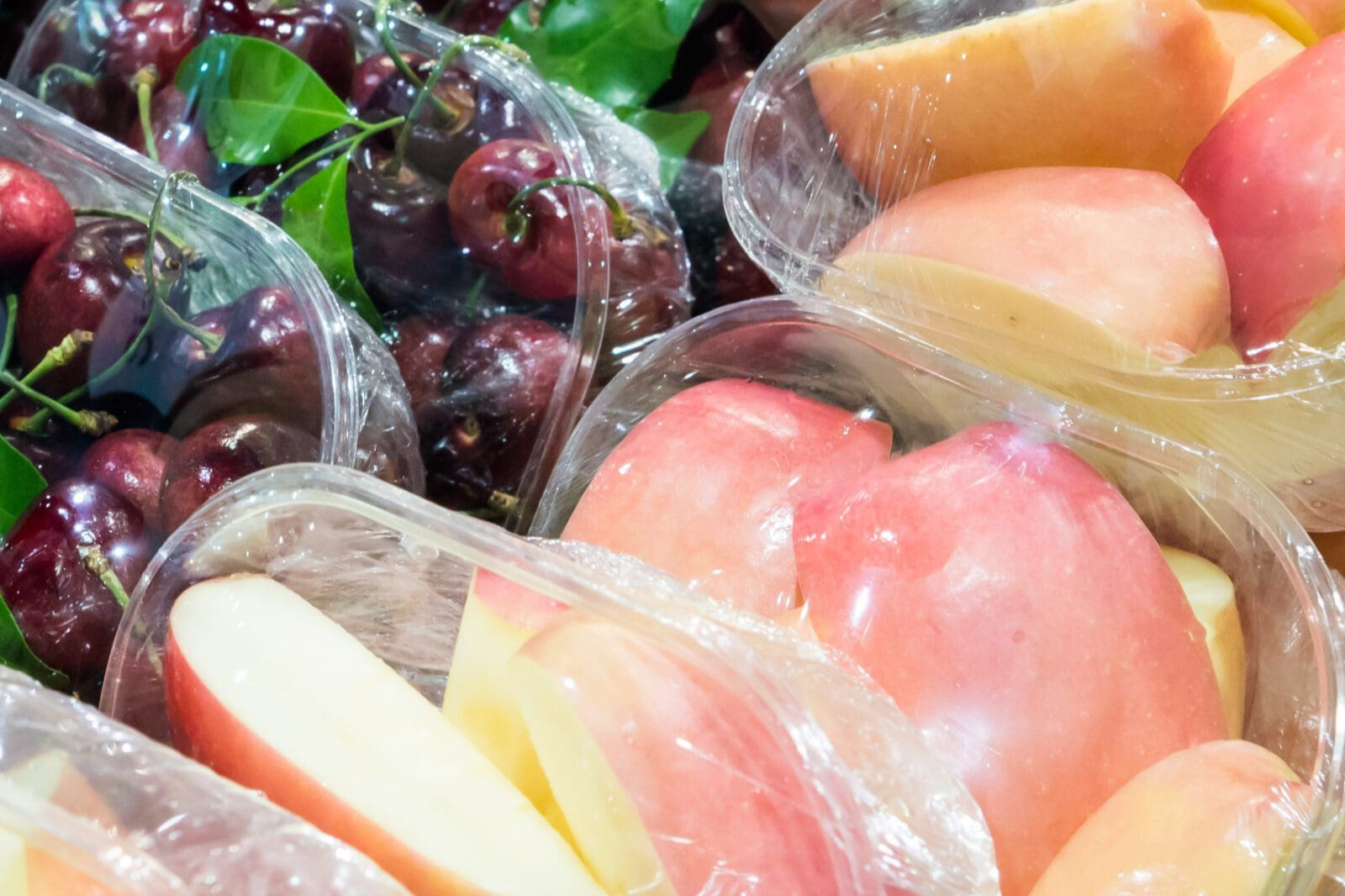
Unpack the hidden dangers of plastic in our food system, from climate impacts to toxic chemicals—and explore what a plastic-free food future might really look like.
-
How to avoid eating microplastics and chemicals in plastic – FoodPrint

Learn how microplastics get into your food and discover simple steps to lower your exposure, from safer cookware to smarter food choices.
-
Clean Energy Portfolios Can Provide Reliable, Affordable Energy for Jacksonville – RMI
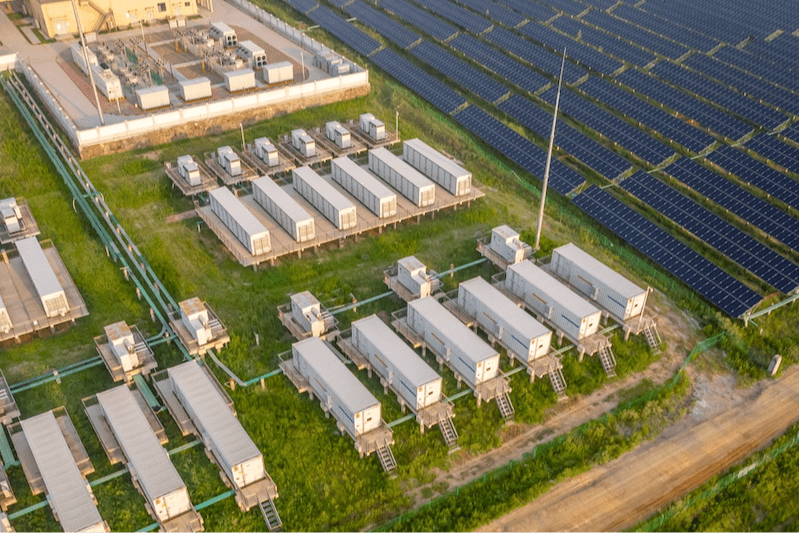
As Florida’s largest municipal utility plans to build a new gas plant, changes over the past two years warrant a new look at options to meet residents’ energy needs.
-
A Bamboo-tastic Answer to Plastic – Earth Day

Celebrate World Bamboo Day and learn more about this powerful little plant’s potential to revolutionize the plastic industry.