
A thoughtfully curated collection of articles on innovative solutions, brought together to inspire and inform.
-

Why is single-use plastic an issue and what can we do about it?
Where does the majority of single-use plastic end up? Landfills and our environment; the rivers, snowfields, beaches, and parks.
-
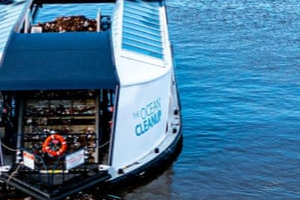
A solar-powered rubbish-eating boat? The vessel chomping plastic waste out of the sea | The Guardian
Guided by floating barriers, the Interceptor has already stopped more than 143,000lbs of rubbish from entering the Pacific from one LA river
-
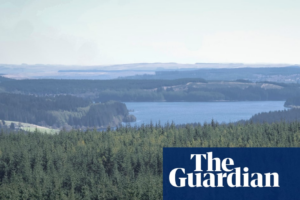
How England’s largest forest went from commodity to conservation haven | The Guardian
Kielder in Northumberland is balancing commercial production with conserving peatland and rare plants and animals
-

How the Chicago River went from dumping ground to eco destination | The Optimist Daily
Floating wetlands, cleaner water, and even a snapping turtle: the once-polluted Chicago River is now home to fish, wildlife, and an open-water swim.
-

6 Green Jobs of the Future – Earth Day
Green jobs are the wave of the future. From hands-on technical work to research to public service, here are 6 jobs that will let you help people and the planet.
-

Rachel Carson’s Warning Still Echoes: 63 Years After Silent Spring – Earth Day
Honoring Rachel Carson and Silent Spring — the book that sparked Earth Day and the environmental movement. Her legacy reminds us: protect nature, protect ourselves.
-

Do Animal Species Have a Right to Exist? – Earth Day
As biodiversity declines, the Rights of Nature movement asks: should animals and ecosystems have legal rights, and what does that mean for humanity’s future?
-
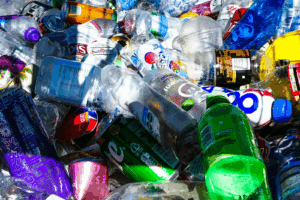
Communities Hold the Key to Tackling Plastic Pollution – Earth Day
A global study shows how communities can fight plastic pollution—no PhD needed. Cleanup efforts, big or small, spark real change.
-

Brightfields Accelerator – RMI
Learn more about how RMI is leading research and technical assistance to scale brightfields across the United States.
-
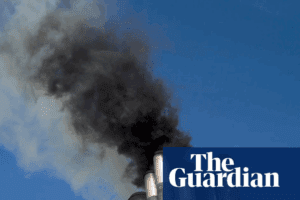
Climate change target of 2C is ‘dead’, says renowned climate scientist | Climate crisis | The Guardian
Prof James Hansen says pace of global heating has been significantly underestimated, though other scientists disagree