A thoughtfully curated collection of articles on innovative solutions, brought together to inspire and inform.
-
Australia sets a new renewable energy record, with rooftop solar leading the way | The Optimist Daily
For 30 minutes on a Saturday, 80.4 percent of Australia’s national grid ran on renewables, more than half of it from rooftop solar panels on people’s homes.
-
Are the peace movement and the climate movement the same thing?

The solar panel is the new peace symbol
-
Experts tell us how healthy sweet potatoes really are | The Optimist Daily

Sweet potatoes are delicious, bright, nutritional vegetables, packed with vitamin A, magnesium, potassium, and fiber. Here’s how to get the most out of them.
-
How Spain’s community solar revolution is helping families power up and costs go down | The Optimist Daily
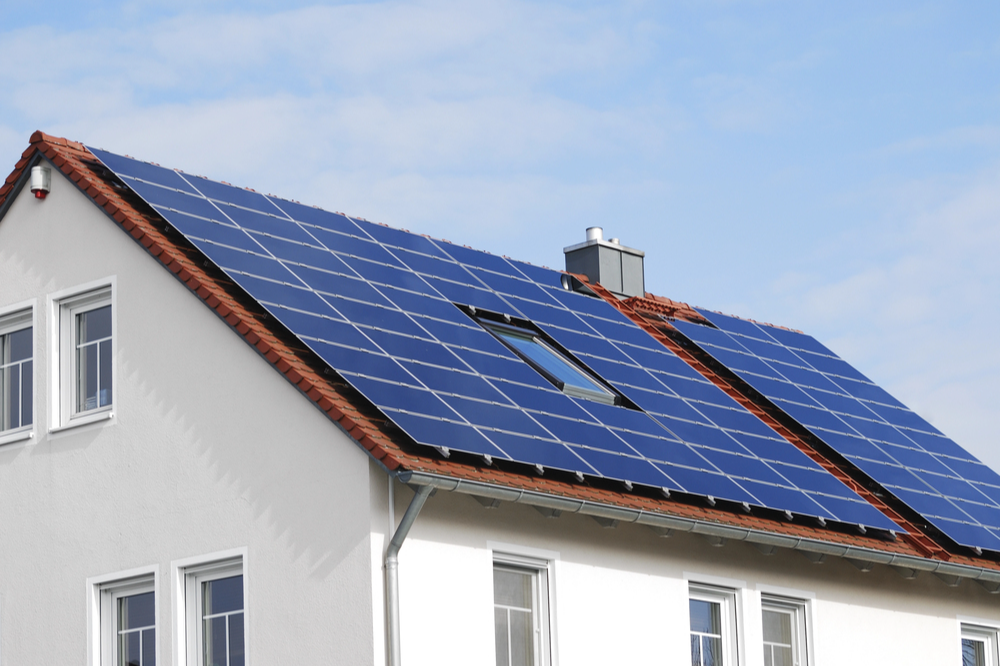
Spain’s community energy movement is transforming rooftops into renewable hubs, lowering bills, and helping families escape fuel poverty.
-
Solar panels to become standard on new homes in England by 2027 under net zero push | The Optimist Daily
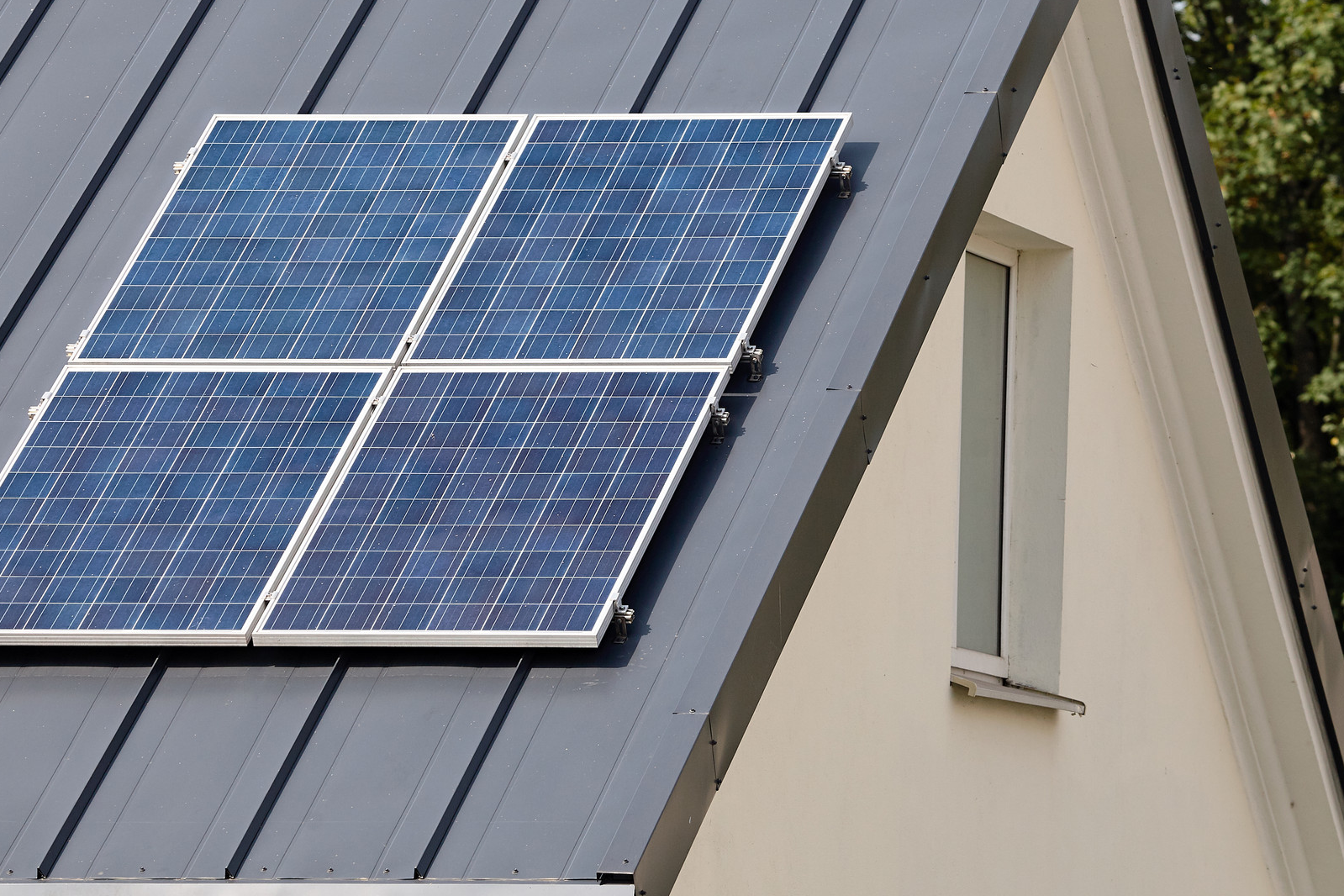
All new-build homes in England will soon require solar panels, saving homeowners money and pushing forward the country’s net zero targets.
-
Do coyotes thrive in cities more than in the wild?

A study in Washington State found about nine times as many coyotes per area in Seattle as in remote forests. | Anthropocene Magazine
-
Solar panels have (another) surprising side effect: Stopping dust storms in their tracks

In a first, researchers realistically calculated how solar farms in the Gobi Desert improve air quality in northern Chinese cities
-
How earlier toilet training could help stem the tide of plastic waste

Kids leave diapers behind nearly a year later than they did in the 1950s. With 300,000 disposable diapers tossed every minute, a new study maps three ways out.
-
A 100-year-old freezer rule has a hidden climate cost

Frozen food is still kept at −18°C (0°F). Raising that by 3 degrees avoids 17 million tons of emissions a year; a study found most foods stay safe and tasty.
-
The value of silence in a noisy world | The Optimist Daily

Noise exposure has been linked to heart disease, tinnitus, sleep loss, and high blood pressure. To mitigate excessive sound, intentionally seek out silence.